


How to Store and Handle Printing Supplies for Maximum Efficiency
Introduction
Storing and handling printing supplies. In the fast-paced world of printing, efficiency and quality are paramount. While much attention is often given to the machinery and final output, it is equally important to focus on the storage and handling of printing supplies. This often-overlooked aspect plays a crucial role in maintaining consistent performance and extending the longevity of equipment. Moreover, improper storage practices can result in wasted materials, unexpected equipment malfunctions, and increased operational costs. Therefore, ensuring proper storage and careful handling of supplies is essential for maintaining smooth operations and achieving long-term success in the printing industry.
This comprehensive guide delves into the best practices for storing and handling various printing supplies, including paper, ink, toner, and other consumables. By implementing these proven strategies, you can not only optimize your printing operations but also significantly reduce downtime. Furthermore, these practices help maintain high-quality outputs, ensuring consistent performance and extending the life of your equipment.
1. Store Supplies in a Cool, Dry Environment

Temperature and humidity significantly impact the quality and lifespan of printing supplies.
- Maintain Optimal Conditions: It is essential to maintain proper environmental conditions. Specifically, store your supplies in a climate-controlled environment with temperatures ranging between 68°F to 76°F (20°C to 24.4°C) and humidity levels between 35% to 55%. Otherwise, extreme conditions can lead to issues such as paper warping and ink or toner degradation, which may affect print quality and increase costs over time.
- Avoid Direct Sunlight: It’s important to consider light exposure. Notably, direct sunlight can have a damaging effect on printing supplies. For instance, prolonged exposure can cause inks to fade and make paper brittle. To prevent this, always store supplies away from windows or consider using UV-protective coverings to shield them from harmful rays.
2. Keep Supplies in Original Packaging

The original packaging of printing supplies is designed to protect them from environmental factors.
- Preserve Packaging Integrity: To maintain the integrity of your printing supplies, it is crucial to keep paper, ink, and toner in their original, sealed packaging until they are ready for use. By doing so, you can effectively prevent exposure to moisture, dust, and light factors that can significantly compromise the quality of your materials. As a result, this simple step helps ensure that your supplies remain in optimal condition, ready to deliver the best possible results when needed.
- Use Airtight Containers for Opened Supplies: If a supply is opened but not fully used, store it in an airtight container to prevent contamination and drying out.
3. Implement First-In, First-Out (FIFO) Inventory Management
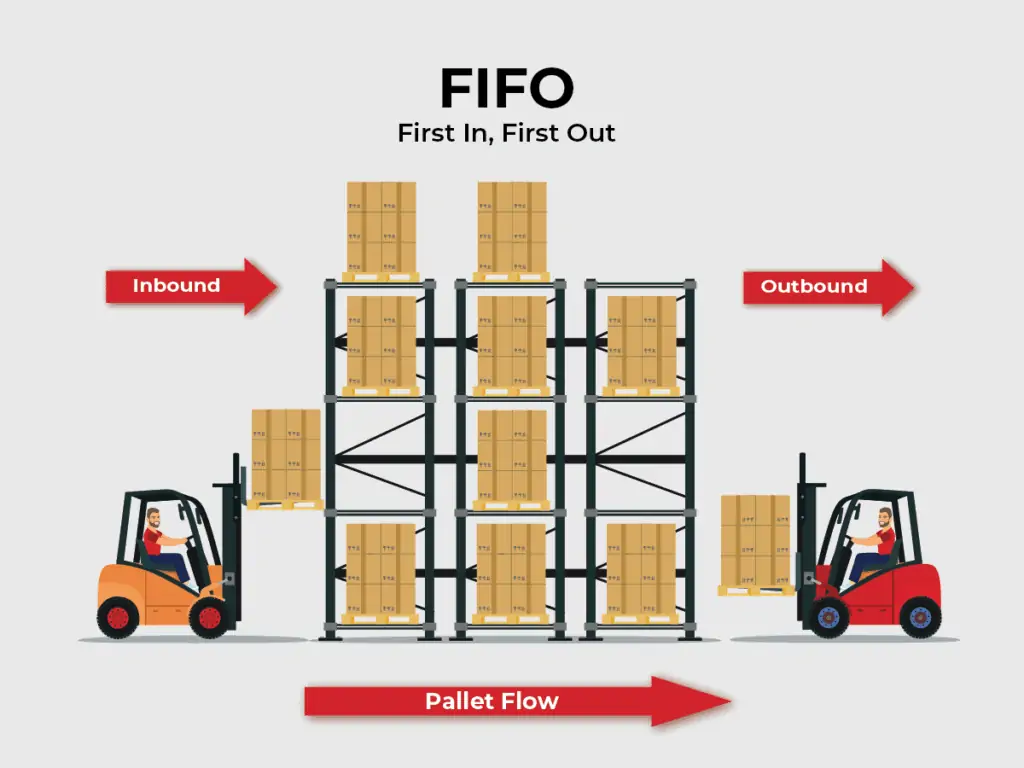
To ensure supplies are used before they expire or degrade:
- Organize by Date: Arrange supplies so that older stock is used first.
- Regularly Audit Inventory: Conduct periodic checks to monitor stock levels and expiration dates, ensuring timely usage and reordering. citeturn0search3
Explore Our Website: Arrow Print Solutions
4. Acclimate Paper Before Use
Sudden changes in temperature and humidity can affect paper performance.
- Allow for Acclimation: Before using paper stored in different environmental conditions, let it acclimate to the printing room’s environment for at least 24 hours. This prevents issues like curling or misfeeds. citeturn0search1
5. Handle Supplies with Care

Proper handling minimizes the risk of damage and contamination.
- Use Clean Hands or Gloves: Oils and dirt from hands can transfer to paper and other supplies, affecting print quality.
- Avoid Bending or Dropping: Physical damage can render supplies unusable or cause equipment jams.
6. Utilize Proper Storage Solutions

Investing in appropriate storage furniture and containers can prolong the life of your supplies.
- Use Storage Cabinets: Store paper flat in cabinets to prevent curling and protect it from dust. citeturn0search2
- Label Storage Areas: Clearly label shelves and containers to facilitate easy access and inventory management.
7. Train Staff on Best Practices

Ensure all personnel involved in handling printing supplies are educated on proper procedures.
- Conduct Regular Training: Keep staff updated on storage protocols and handling techniques.
- Create Standard Operating Procedures (SOPs): Document and distribute SOPs to maintain consistency across the organization.
Conclusion
Efficient storage and handling of printing supplies are integral to maintaining high-quality outputs and prolonging the lifespan of your equipment. By adhering to the best practices outlined above, you can minimize waste, reduce operational costs, and ensure a smooth printing process.


1 Comment
Top 5 Printing Machines 2025: Revolutionizing the Industry
April 24, 2025
[…] Read More: How to Store and Handle Printing Supplies for Maximum Efficiency […]